
Some side dishes feel like a project. This one doesn’t. Sauteed asparagus with garlic and parmesan takes about fifteen minutes from the moment you pick up the bunch to the moment it lands on the table, and it only asks for one pan, a handful of ingredients, and a little attention at the stove. The spears come out bright green and crisp-tender, the garlic turns sweet and golden instead of bitter, and the parmesan melts into salty little pockets wherever it touches the hot asparagus.
I make this most often on nights when the main dish is already taking up my attention. A roast chicken in the oven, a pot of pasta boiling over, a steak resting on the board — that’s when a side needs to be quick, forgiving, and good enough that nobody at the table thinks of it as an afterthought. Asparagus fits that job better than almost any other vegetable I know. It cooks fast, it looks beautiful without any effort, and it pairs with just about everything.
If you’ve ever ended up with limp, grey, stringy asparagus, the problem was almost never the asparagus itself. It was the timing. A minute too long in the pan, garlic that went in too early and burned, or a crowded skillet that steamed the spears instead of searing them. This recipe fixes all three of those things, and once you’ve made it this way a couple of times, you’ll stop measuring anything and just cook it by feel.
Why This Simple Side Works So Well
Asparagus has a flavor that sits in a really nice middle ground. It’s grassy and fresh, a little bit sweet, and it takes on whatever you cook it with. Garlic gives it warmth, butter gives it richness, lemon gives it a bright edge, and parmesan gives it that salty, savory finish that makes people reach for a second helping. None of those flavors fight each other. They just stack up, one on top of the next, and the asparagus carries all of them.
The other reason this works is the cooking method. Sauteing in a hot skillet does two things at once: it browns the outside of the spears in spots, which adds a toasty, almost nutty flavor, and it keeps the inside crisp. Boiling or steaming can do the job, but they can’t give you those browned edges, and they make it much easier to overshoot into mush. A skillet gives you control. You can see the color changing, you can hear the sizzle, and you can pull the pan off the heat the second the asparagus looks right.
It’s also a genuinely healthy side without trying to be one. Asparagus is low in calories, a good source of folate and vitamin K, and it brings fiber to the plate. If you want to read more about what it offers nutritionally, Healthline’s guide to the benefits of asparagus is a solid overview. And if you’re trying to get more vegetables onto the table in general, the MyPlate vegetable guide has practical advice on portions and variety that actually makes sense for real weeknight cooking.
Ingredients You’ll Need
You don’t need much here, and that’s the point. One bunch of asparagus, about a pound, will serve four people as a side. If your family eats vegetables the way mine does — meaning the asparagus disappears before the chicken does — grab two bunches and use a bigger pan.
- 1 pound fresh asparagus — look for firm spears with tight, closed tips
- 2 tablespoons olive oil — or half olive oil, half butter if you want a richer flavor
- 1 tablespoon butter — for that golden finish at the end
- 3 cloves garlic, thinly sliced — sliced, not minced, so it browns evenly instead of burning
- 1/2 teaspoon kosher salt — plus a little more to taste
- 1/4 teaspoon black pepper — freshly ground if you have it
- 1/3 cup freshly grated parmesan — grated from a wedge, not the pre-shredded kind
- 1 teaspoon lemon zest — optional, but it wakes the whole dish up
- 1 tablespoon lemon juice — squeeze it over at the very end
- Pinch of red pepper flakes — optional, for a little warmth
A quick word on the parmesan, because it matters more than you’d think. The pre-grated cheese in the tub or the bag has anti-caking agents in it, and it doesn’t melt the same way. It stays powdery and dry on top of the asparagus. A wedge of parmesan and a box grater take about thirty seconds, and the cheese melts into the hot spears in a way that makes the whole dish taste like it took far more effort than it did. If you only change one thing about how you make this, change that.
How to Pick Good Asparagus
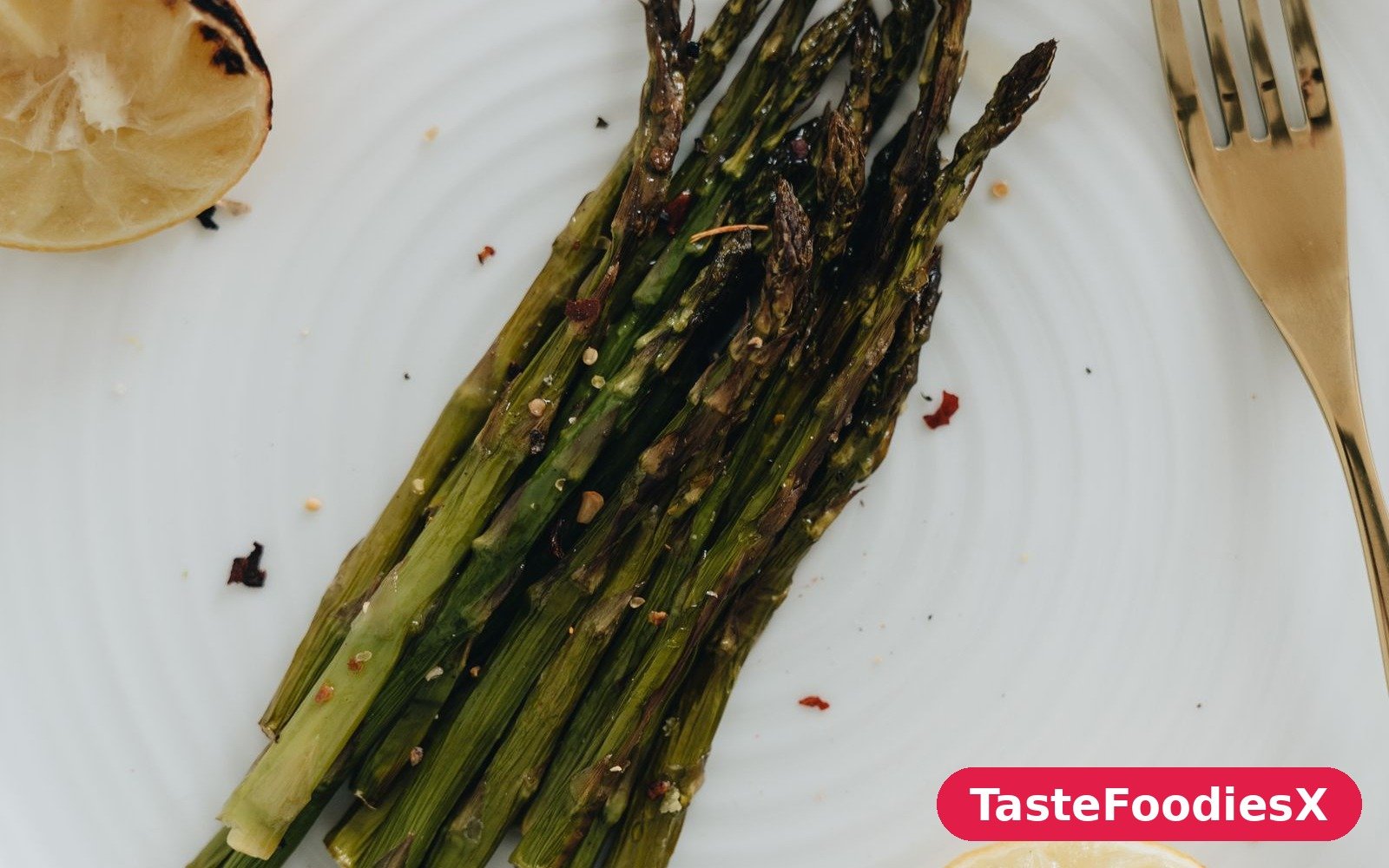
Buying asparagus is one of those things that gets easier once you know what to look for, and harder if you just grab the first bunch on the shelf. The spears should stand up straight when you hold the bunch upright. If they flop over like wet noodles, they’ve been sitting around too long. The tips should be tight and closed, almost like a little spearhead, with no sign of spreading open or going soft. The cut ends should look freshly cut and a little moist, not dried out and split.
Thickness is a matter of taste more than quality. Thin spears cook in two or three minutes and stay delicate. Thick spears take a little longer, but they get those lovely browned edges and a meatier bite. I actually like the thicker ones for sauteing because they hold up better in a hot pan and they’re harder to overcook. If the bunch you buy is mixed, that’s fine — just give the thick spears a head start of a minute or so, then add the thin ones.
Color matters too. Look for a deep, even green from tip to stem, with maybe a little purple on the tips. That’s normal and a good sign. Avoid bunches where the stems look pale or yellowish, or where the spears are wrinkled. And if the bunch smells at all sour or off, skip it. Fresh asparagus should smell like nothing much at all, just green and clean.
Once you get it home, the best way to keep it fresh is to treat it like a bouquet. Trim a little off the ends, stand the spears upright in a jar with an inch of water, and drape a plastic bag loosely over the top. It’ll keep in the fridge for three or four days this way, which is twice as long as it lasts lying flat in the crisper drawer.
How to Make Sauteed Asparagus with Garlic and Parmesan
Start by trimming the asparagus. Hold a spear near the bottom and bend it gently until it snaps. That spot is where the woody part ends and the tender part begins. Do it once to find the spot, then line the rest of the bunch up and cut them all at the same place with a knife. It takes about a minute and it saves you from biting into a fibrous end at the table. Give the spears a quick rinse and pat them dry — water on the surface will steam in the pan and keep the asparagus from browning properly.
Put your largest skillet over medium-high heat and let it get properly hot. This is the step people rush, and it’s the one that makes the biggest difference. A pan that isn’t hot enough will steam the asparagus instead of searing it. Give it a good two minutes. Add the olive oil and swirl it around so it coats the bottom. When the oil shimmers and moves easily, the pan is ready.
Lay the asparagus in the pan in a single layer. Don’t pile it up, and don’t crowd it. If the spears are stacked on top of each other, the ones on the bottom will cook and the ones on top will just sit there getting soft. If your pan isn’t big enough for the whole bunch in one layer, cook it in two batches. It takes two extra minutes and the result is completely different. Season with salt and pepper right away.
Let the asparagus cook undisturbed for about two minutes. Resist the urge to move it around. That contact with the hot pan is what creates the browned spots. After two minutes, give the pan a shake or roll the spears over with tongs so the other side gets its turn. Cook for another two to three minutes. You’re looking for bright green spears with golden-brown patches, and a texture that’s tender when you bite in but still has a snap to it.
Now turn the heat down to medium and push the asparagus to one side of the pan. Add the butter to the empty side and let it melt. Add the sliced garlic and cook it for about thirty seconds, just until it smells fragrant and starts to turn the palest gold. This is the moment that matters most in the whole recipe. Garlic goes from perfect to burnt in about fifteen seconds, and burnt garlic turns bitter and ruins the dish. The second it smells amazing and looks lightly golden, toss the asparagus through it so the garlic coats the spears instead of sitting in the hot pan.
Take the pan off the heat. Squeeze the lemon juice over the top, sprinkle on the lemon zest, and shower the parmesan over everything while the asparagus is still hot. The heat from the spears will melt the cheese just enough. Give it one gentle toss, taste a spear, and add a little more salt if it needs it. Serve it right away, while the parmesan is still soft and the spears are still bright green.
The Garlic Timing Trick
If there’s one thing worth remembering from this whole recipe, it’s that garlic goes in last, not first. A lot of recipes tell you to start with the garlic, and then you end up with brown, bitter bits by the time the asparagus is cooked through. Garlic burns fast, especially sliced thin, and once it burns there’s no saving it.
By holding the garlic until the asparagus is nearly done, you get the best of both worlds. The garlic cooks just long enough to turn sweet and golden, and it infuses the butter in the pan, which then coats every spear. The difference between garlic cooked for thirty seconds at the end and garlic cooked for five minutes at the start is the difference between a dish that tastes fresh and bright and one that tastes muddy.
The same idea applies to the lemon and the parmesan. Both go on off the heat or at the very end. Lemon juice added to a ripping hot pan just evaporates and leaves acidity without brightness. Parmesan added while the pan is still on the burner can clump and stick instead of melting gently over the spears. Small timing choices, big flavor difference.
The Parmesan Finish
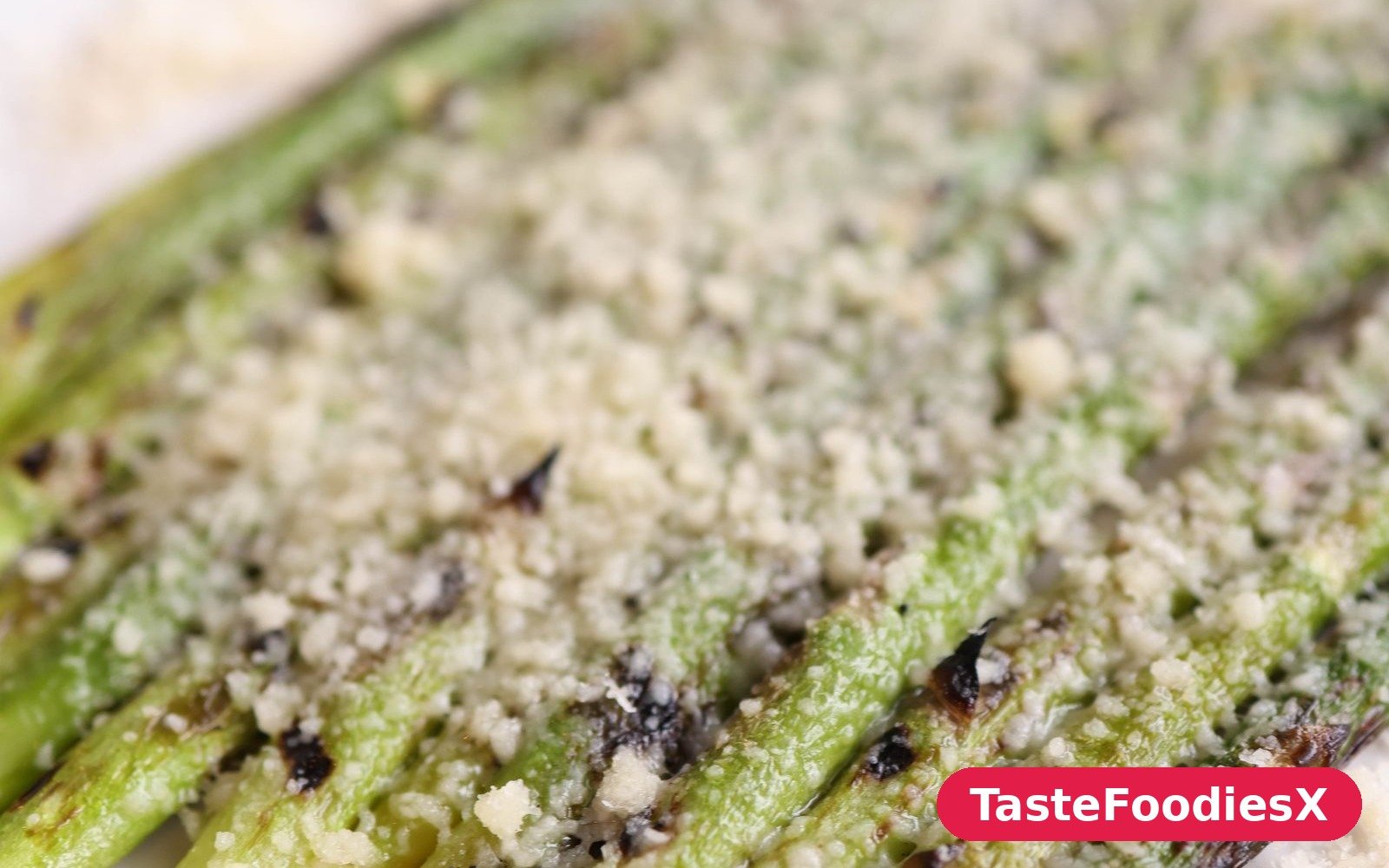
Parmesan is doing more than one job here. The first is flavor — that salty, nutty, savory note that makes the asparagus taste like something you’d order at a restaurant. The second is texture. Where the cheese lands on a hot spear, it softens and clings. Where it lands in the pan, it crisps up into little golden bits that are honestly the best part of the dish.
Don’t be shy with it, but don’t bury the asparagus either. About a third of a cup for a pound of asparagus is the sweet spot. Grate it fine so it melts quickly, and sprinkle it from up high so it distributes evenly instead of landing in one clump. If you want to get fancy, you can add a second, lighter dusting right before serving, so there’s some melted cheese and some fresh cheese on top.
Pecorino Romano works beautifully as a swap if that’s what you have — it’s saltier and a little sharper, so use a touch less. Grana Padano is another good option and a bit milder. What I’d avoid is the pre-shredded bagged parmesan, which never melts properly, and any cheese that comes in a green can. Save that for the pasta.
Variations Worth Trying
Once you’ve made the basic version a few times, this recipe is a great base for experimenting. The asparagus is sturdy enough to handle bold flavors, and the cooking method stays the same no matter what you add.
For a little heat, add a pinch of red pepper flakes along with the garlic, or a drizzle of chili crisp at the end. For a richer, deeper flavor, swap the olive oil for brown butter — just melt the butter in the pan first and let it foam and turn nutty before the asparagus goes in. A splash of white wine in the pan right after the garlic cooks will deglaze all the browned bits and add a lovely brightness.
In spring, when asparagus is at its best, I like to add a handful of fresh peas to the pan for the last minute of cooking, or toss in some thinly sliced mushrooms at the start so they get properly browned alongside the spears. Toasted pine nuts or slivered almonds scattered over the top at the end add crunch and make the dish feel a little more special, which is useful if you’re serving it to guests.
You can also change the cheese. A crumble of feta and a drizzle of honey makes a sweet-salty version that’s surprisingly good. Shaved manchego with a little smoked paprika gives it a Spanish feel. And if you skip the cheese entirely and finish with toasted breadcrumbs, garlic, and lemon, you get a dairy-free version that still tastes complete.
What to Serve It With
This is one of those sides that genuinely goes with everything, but it shines brightest next to simple mains where it can be the green thing on the plate that everybody actually wants to eat. Roast chicken is the classic partner — the pan juices and the garlicky asparagus just belong together. Grilled salmon is another favorite, especially with the lemon in the asparagus echoing whatever you’ve squeezed over the fish.
It works beautifully alongside pasta too. A plate of One-Pan Lemon Herb Chicken and Potatoes with asparagus on the side makes a complete dinner that feels like you tried much harder than you did. And if you’re doing a lighter meal, a piece of 30-Minute Chicken with Artichokes and Capers plus this asparagus is a weeknight dinner that comes together in half an hour.
For a vegetarian spread, it sits happily next to Crispy Potatoes in Air Fryer Without Oil and a big salad, or next to Air Fryer Crispy Broccoli Bites with Cheese Sauce if you’re feeding a table that likes its vegetables with a little crunch. It also makes a great addition to a holiday table, because it cooks in fifteen minutes while the oven is busy with the main event, and it adds a bright green color that most holiday spreads desperately need.
Storing and Reheating Leftovers
Honestly, leftovers are rare with this one, but if you do have some, they’ll keep in the fridge for three days in a sealed container. The texture will soften a bit — that’s unavoidable — but the flavor holds up well. The best way to reheat is in a hot skillet for about a minute, just until warm. The microwave works in a pinch, but use short bursts of thirty seconds and stop as soon as it’s warm, because an extra thirty seconds is all it takes to turn leftover asparagus into something nobody wants.
Cold leftover asparagus is actually pretty good too. Slice it into inch-long pieces and toss it into a salad, fold it into an omelet, or lay it over toast with a fried egg. I sometimes make a double batch on purpose just so I have leftovers for the next day’s lunch, which tells you how much I like this dish.
Frequently Asked Questions
How do I keep asparagus from getting soggy when I saute it?
Three things: a hot pan, a single layer, and dry spears. Pat the asparagus dry after washing it, let the pan get properly hot before the oil goes in, and don’t crowd the pan. If the spears are stacked up, they’ll steam instead of sear. Cook in two batches if you need to — it’s worth the extra two minutes.
Should I peel thick asparagus before cooking it?
You don’t have to, but it helps with very thick spears. The bottom few inches of a thick spear can be tough and fibrous. Snapping off the woody ends handles most of the problem, but if the spears are as thick as your thumb, a quick pass with a vegetable peeler over the lower half will make the texture much more even. Thin and medium spears don’t need it at all.
Can I make this ahead of time?
You can prep everything ahead — trim the asparagus, slice the garlic, grate the parmesan, zest the lemon — but the cooking itself should happen right before serving. Asparagus loses its bright color and crisp texture quickly once it sits. The good news is that the cooking only takes about ten minutes, so you can have everything ready and then cook it while the main dish rests.
What is the best pan for sauteing asparagus?
A large stainless steel or cast iron skillet works best because both hold heat well and give you good browning. Nonstick works too, but it won’t brown the spears quite as well. Whatever you use, make sure it’s big enough to hold the asparagus in a single layer. A twelve-inch skillet handles a pound comfortably.
Can I use frozen asparagus for this recipe?
You can, but the result won’t be quite the same. Frozen asparagus is already partially cooked, so it goes soft faster and doesn’t get those browned edges. If frozen is what you have, thaw it completely, pat it very dry, and cook it for just two to three minutes total. It’ll still taste good with the garlic and parmesan — just don’t expect the same crisp snap as fresh.
This is the kind of recipe that earns a permanent spot in your weeknight rotation not because it’s fancy, but because it never lets you down. Fifteen minutes, one pan, ingredients you probably already have, and a side dish that looks like it came from a restaurant kitchen. Make it once the way it’s written, then start making it your own — a little more garlic, a little more lemon, a different cheese, a handful of nuts. The asparagus won’t mind. It’s just happy to be the star for once.